
STRONG DOMESTIC DEMAND
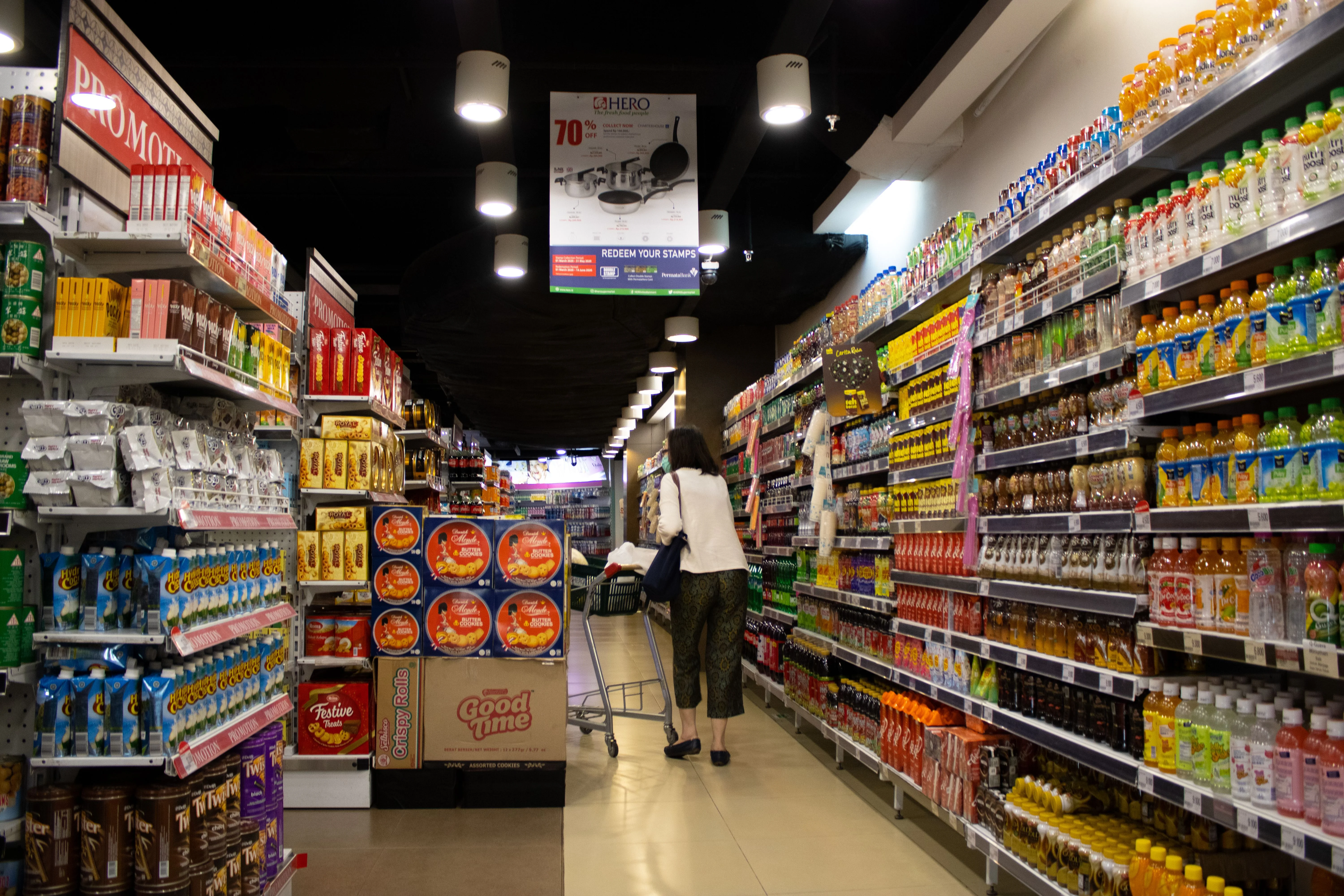
The question of whether a country has strong domestic demand comes down to two parts: is there demand at the household level, and can that demand reach far and wide? Indonesia's middle and aspiring middle classes, which contribute 81.49% of national household consumption, as well as its well-established position as a regional gateway and key exporter, underpinned by a growing network of free trade agreements (FTAs) including RCEP, may just be the answer to both.
Indonesia has a firmly established base of household consumption, driven largely (81%) by two main groups: the middle class, which numbered 46.7 million people in 2025, and the aspiring middle class. When combined, the two groups amounted to 188.7 million people, or 66.99% of the population, in 2025. The latter group matters because today's aspiring middle class makes up tomorrow's middle class, providing an optimistic outlook for growth. This means investors in Indonesia can tap into one of the largest consumer bases in the world without needing to export.
Furthermore, Indonesia's population of nearly 285 million, along with its status as Southeast Asia's largest economy, makes it a key player in the Association of Southeast Asian Nations (ASEAN) market of roughly 680 million people. Beyond the region, Indonesia's trade agreements open doors even further: It is part of the Regional Comprehensive Economic Partnership (RCEP), the world's largest free trade agreement, which it joined in 2022, and holds bilateral deals with Japan, which has been in force since 2008, along with the EFTA states, which has been in force since a year earlier in 2021 and Australia, which was successfully ratified in 2020.
Following this, there is also the Indonesia–EU agreement, concluded in September 2025, that is slated for implementation in early 2027. Once in force, the EU will offer duty-free access on 98.61% of its tariff lines, covering nearly 99% of Indonesian exports. For investors, that means producing in Indonesia might just be the key strategy to lowering tariffs when selling both into the region and beyond.
Although the middle class has shrunk since 2019, with more than half the population in the aspiring middle class, there is room for purchasing power to grow than there has ever been before. Indonesia’s strong demand at home, and established trade access that reaches far beyond it: this is the market Indonesia offers.