
ABUNDANT NATURAL RESOURCE POTENTIAL
The resource potential of a country comes down to two questions: is the supply already there, and is there somewhere ready to process it? Indonesia's standing as the top producer of nickel and a key exporter of primary commodities like tin and palm oil, together with a growing downstream industry backed by 25 Special Economic Zones and 179 industrial estates, may just hit the nail on the head.
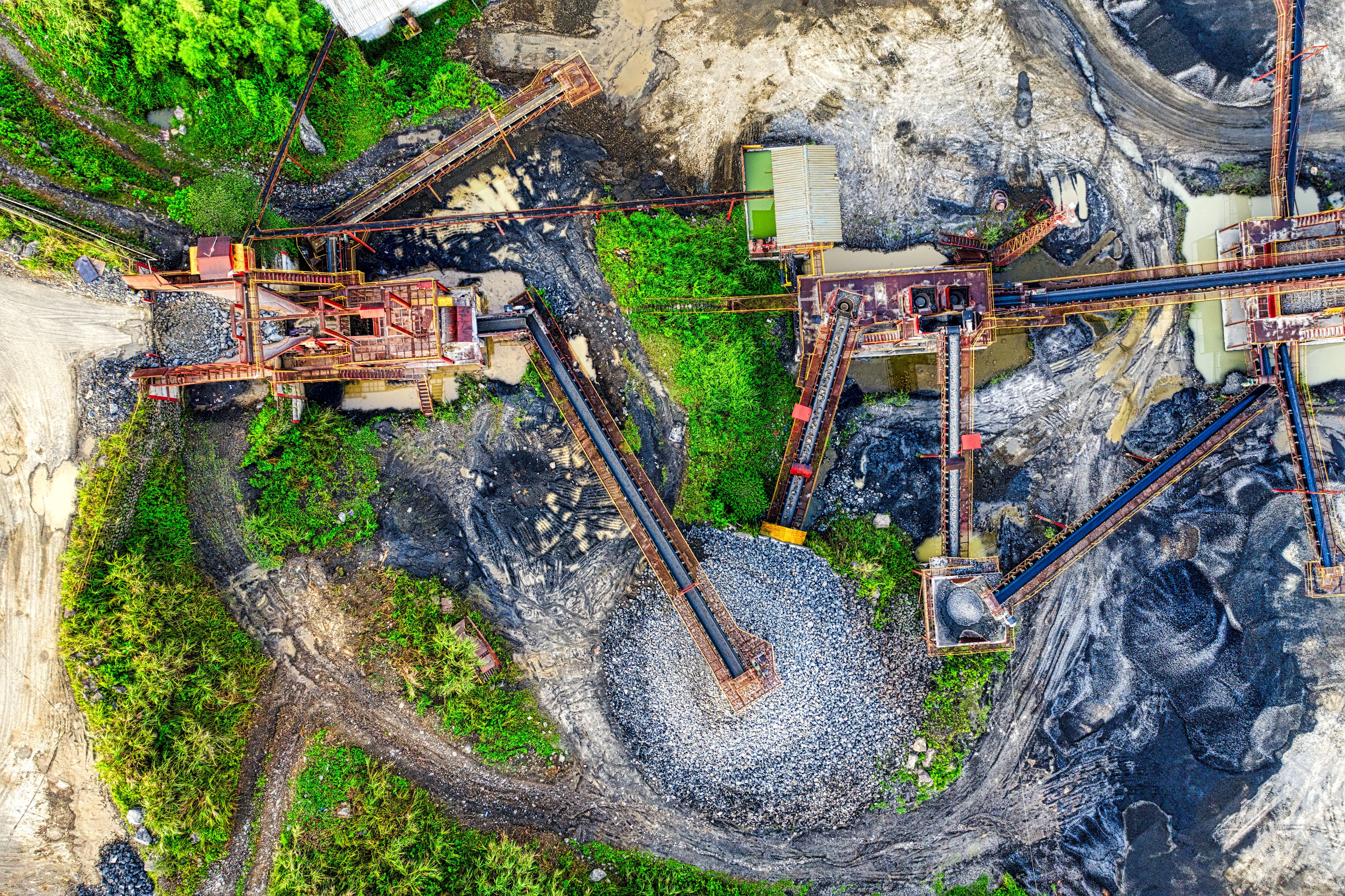
Roughly two-thirds of the world's nickel (about 2.6 of 3.9 million tonnes) comes straight from Indonesia's mines, around seven times more than the Philippines, the next-largest producer. This means supply security: EV battery and stainless steel makers can build next to the source rather than compete for it on global markets, and since nickel ore exports are banned, processing in Indonesia is the only way to obtain it. New smelters coming online continue to drive demand for ore and rising output. Indonesia also ranks second in global tin production.
On a similar note, Indonesia leads palm oil production, well ahead of Malaysia and Thailand, supplying over half the world's palm oil (46.7 of an estimated 81.44 million tonnes).
Indonesia has high potential for economic extraction through deposits that are known to exist but have yet to be proven economical to mine. To illustrate, North Maluku's current nickel ore reserves (~1.87 billion tonnes) make up only about a third of its identified resources (~5.72 billion tonnes). This distinction is crucial as future supply is promising: exploration is what turns resources into reserves, and the remaining two-thirds is where that future supply could come from.
Furthermore, there are already 25 Special Economic Zones (SEZs) across Indonesia that span industries, including manufacturing, tourism, health and digital. For instance, Gresik in East Java and Sei Mangkei in North Sumatra are built for industry, Mandalika in Lombok for tourism, and Nongsa in Batam for digital, while Bali hosts not one, but two: Kura Kura Bali for tourism and Sanur for health.
Indonesia's 179 industrial estates come with roads, power and water already in place, and under Law No. 3/2014 on Industry, they are the required home for factories. Nearly 12,000 companies already operate inside them, and with occupancy at around 57%, there is still plenty of room to move in. With supply waiting in the ground and land primed to process it, these are the natural resource potential Indonesia offers.