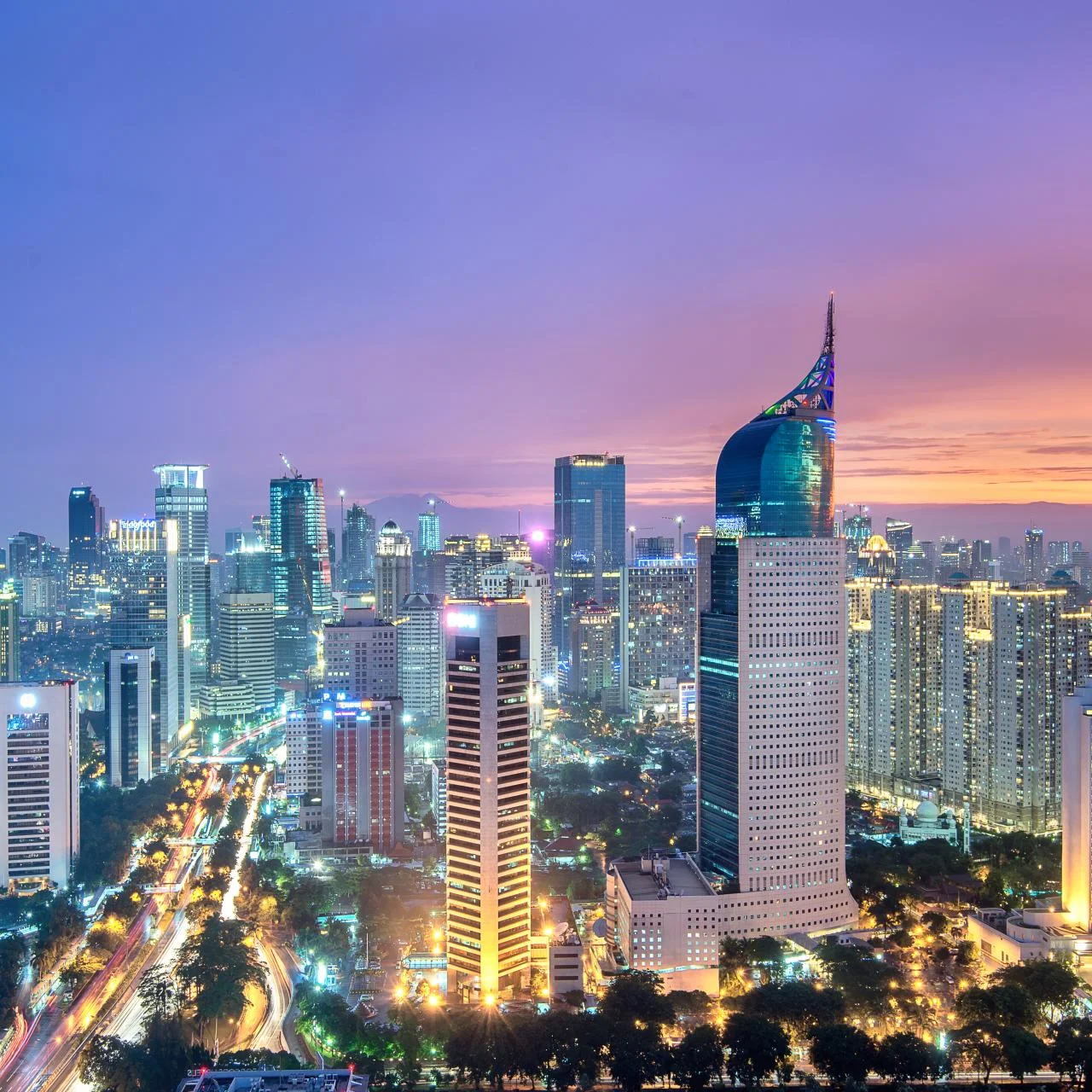
The Worlds 4th Most Populous Country: Indonesia is the fourth most populous country in the world with more than 270million people. This number makes Indonesia the largest domestic market in Southeast Asia. 2 out of 3 populations are in working age that will boost the country productivity. It also has strong domestic market with more than 64million is the Middle Class.
Fast and Robust Economy Growth: In the last five years, Indonesia has a robust and stable economy growth with more than 5% p.a. With an average growth target of 5.7% per year, Indonesia is targeting to become a high-income country by 2036 and the world's fifth-largest economy by 2045. This high growth would gradually increase the middle-income class
The 16th Biggest Economy in The World: Indonesia gross domestic product reach more than USD 1 Trillion in 2019. The economy dominated by strong contribution from selected sectors including mining, petroleum & natural gas, and textile.
Good Credit Rating by Moody’s, Fitch Ratings, and S&P: Indonesia credit rating rated as Investment grade position by Moody's, Fitch Ratings, and S&P. Its credit rating has rated Baa2/Stable by Moody's (Feb-20), BBB/Stable by Fitch Ratings (Mar-21), and BBB/Negative by S&P (Apr-21).
High Mobile & Internet Penetration: Indonesia has USD 40 Billion digital economy with 28% CAGR. Out of the total population, it has 176 million internet users with 17% penetration growth. It creates a huge opportunity to unlock hyper growth digital economy in the future.
Strong Global Influence: Indonesia is playing a more dominant role in global affairs. It is Southeast Asia’s only member of the G-20 and an active voice for developing world’s concerns. Indonesia assumes G20 Presidency in 2022, and will adopt the theme ‘Recover Together, Recover Stronger’ to encourage joint efforts for world economic recovery.
Improving Investment Climate: Following Indonesia’s economic resilience during and after the global financial crisis, the government are going to continue reforming investment climate to make a safe and attractive investment destination. The Job Creation Law was passed and signed into law in October 2020, and reform labour, taxes, and other important laws in order to reduce bureaucracy and stimulate investment in a post-pandemic economy. Under the Job Creation Law, 79 laws have been revised through one law governing various sectors. This law consists of 15 chapters and 186 articles in which it regulates 11 clusters from employment to environment.