
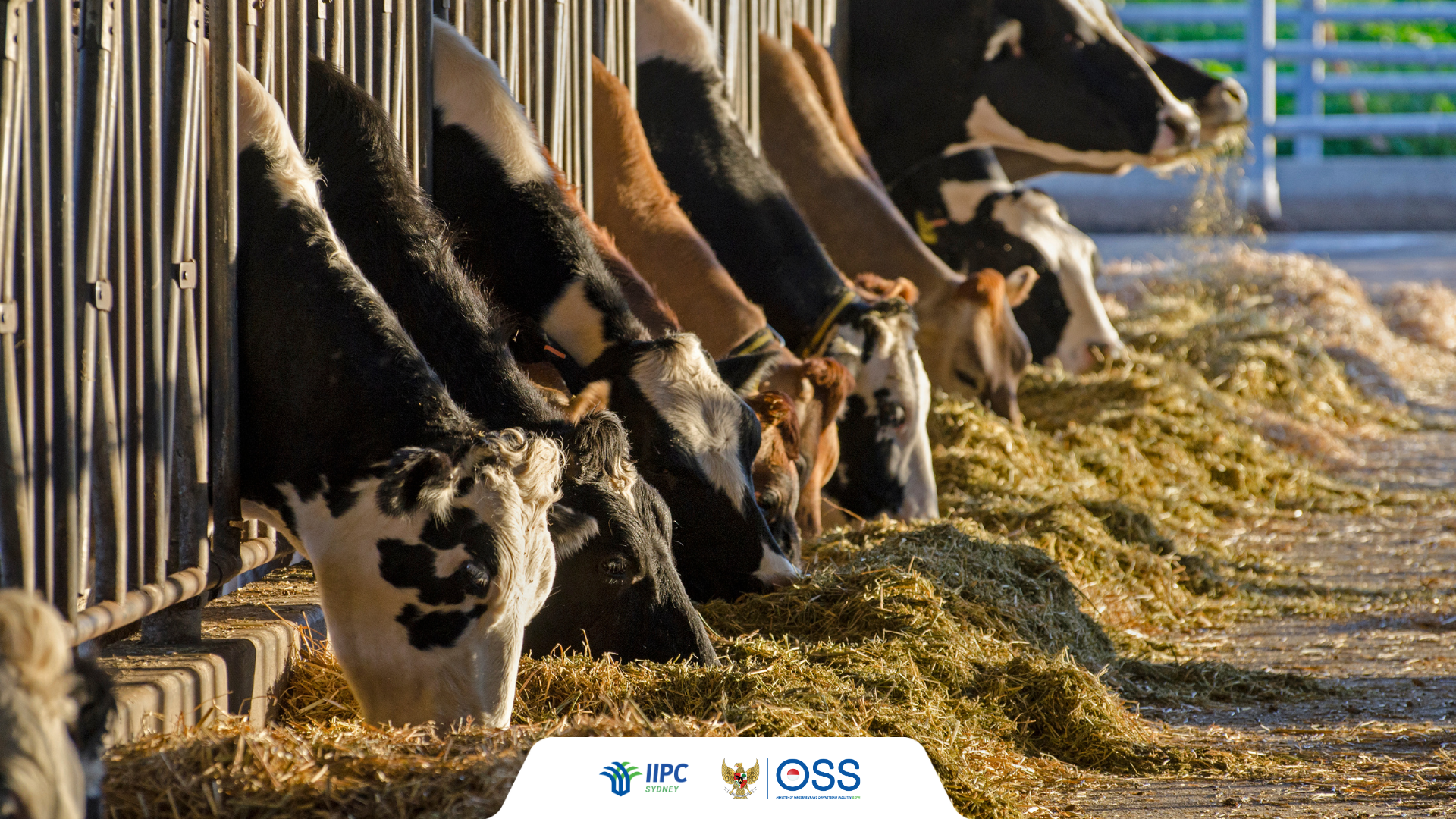
Unlocking Agribusiness Investment Opportunities in Indonesia’s Live Cattle Industry
With a population exceeding 270 million people and a rapidly expanding middle class, Indonesia’s demand for high-quality protein continues to grow at a steady pace. As red meat consumption rises, the Indonesia live cattle industry presents a highly lucrative frontier for foreign direct investment, strategic partnerships, and technological innovation in livestock management.
Through initiatives supported by trade frameworks like the Indonesia-Australia Comprehensive Economic Partnership Agreement (IA-CEPA), Indonesia is actively opening doors to international agribusiness investors to build a resilient, sustainable beef supply chain.
The Growth Drivers of Indonesia’s Beef and Cattle Sector
Indonesia’s national livestock strategy focuses on enhancing local beef production while optimizing international supply chains. Key structural factors driving growth in this sector include:
- Rising Consumer Demand: Urbanization and economic growth are accelerating the transition toward higher protein diets across the archipelago.
- National Food Security Goals: Government initiatives prioritize modernizing cattle breeding, feedlot efficiency, and processing facilities to achieve long-term food resilience.
- Strategic Trade Synergies: Indonesia’s proximity to major livestock exporters—most notably Australia—creates an ideal complementary relationship combining efficient breeding with local fattening and processing capacity.
Primary Investment Segments in the Livestock Value Chain
International investors and agribusiness operators can leverage several high-potential segments within Indonesia's livestock infrastructure:
1. Integrated Breeding & Fattening (Feedlots)
Developing commercial-scale feedlots equipped with modern climate-smart housing, precision nutrition, and health monitoring systems offers strong operational yields. Combining imported feeder cattle with local feed supplies ensures rapid weight gain and high processing standards.
2. Upstream Genetic Improvement & Technology
Investing in artificial insemination, superior breed genetics, and reproductive technologies accelerates local herd expansion. High-yield crossbreeds suitable for tropical climates are in high demand across regional farming hubs.
3. Processing, Cold Chain, and Distribution
Unlocking the full value of the beef sector requires modern slaughterhouse (RPH) facilities, halal-certified processing plants, and temperature-controlled logistics networks to serve major retail and food service markets across major islands.
Strategic Regional Hubs for Agribusiness Development
Indonesia offers diverse geographical advantages for livestock ventures:
- East Nusa Tenggara (NTT) & West Nusa Tenggara (NTB): Renowned for expansive grazing lands and traditional cattle breeding roots, making them ideal for pasture-based breeding programs.
- Java & Sumatra: High-density consumer centers with proximity to major ports, industrial feed sources, and established distribution channels for feedlot operations.
How IIPC Sydney Facilitates Your Agribusiness Expansion
Navigating cross-border livestock trade, land acquisition, and joint-venture structures requires clear regulatory guidance. The Indonesian Investment Promotion Center (IIPC) Sydney acts as your primary contact point for foreign direct investment in Indonesia’s agricultural and livestock sectors.
IIPC Sydney provides end-to-end facilitation—from matching Australian cattle exporters and technology providers with Indonesian partners, to streamlining permit processes and site selection.
Explore project-matching options and entry pathways at sydney.bkpm.go.id.