
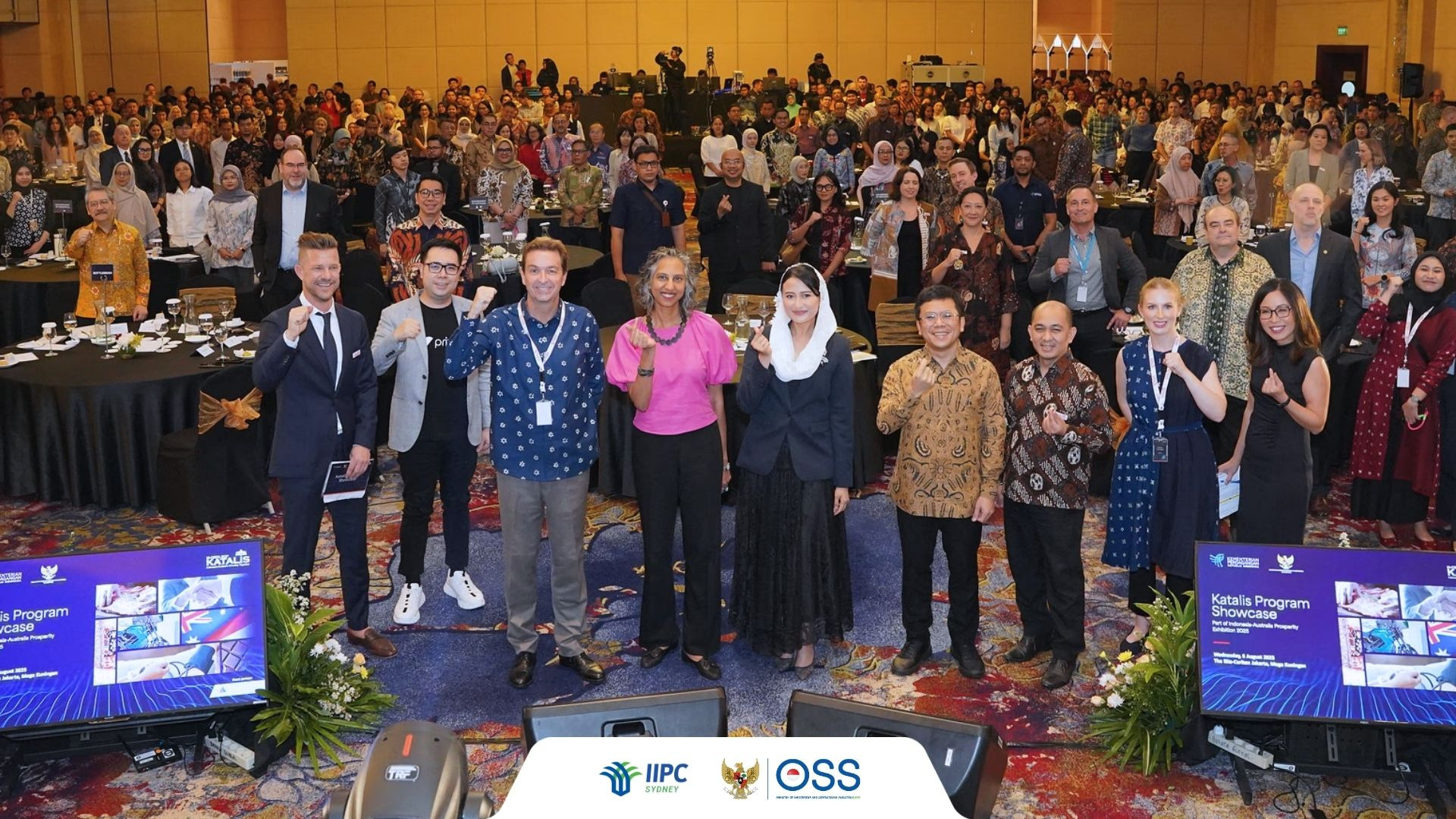
Katalis Program: The Future of Australia-Indonesia Business Partnerships
As global supply chains evolve and businesses seek new growth markets across the Indo-Pacific, the Australia-Indonesia business partnership is emerging as one of the region's most promising economic relationships. Driven by strong policy alignment, expanding trade flows, and targeted cooperation programs, the two nations are creating new opportunities for companies seeking to scale across borders.
At the center of this momentum is the Katalis Program, a government-backed initiative designed to strengthen commercial ties, improve market access, and unlock the full economic potential of the Australia-Indonesia partnership.
Catalyzing Cross-Border Growth
Established under the Indonesia-Australia Comprehensive Economic Partnership Agreement Economic Cooperation Program (IA-CEPA ECP), the Katalis Program was launched in 2020 as a business development initiative focused on accelerating bilateral economic cooperation.
The program's mission extends beyond traditional trade promotion. By facilitating collaboration between businesses, institutions, and government stakeholders, Katalis aims to create stronger commercial ecosystems that benefit both economies.
Its core focus areas include:
- Greater market access for Australia-Indonesia businesses
- Better integrated bilateral markets
- Skills development and workforce recovery
- Inclusive economic participation through gender equality, social inclusion, and disability rights initiatives
Together, these priorities are helping build a more resilient and commercially connected economic corridor between the two countries.
Trade Winds Are Blowing Stronger
The results of this collaboration are already becoming visible.
By 2024, bilateral trade between Australia and Indonesia reached AU$35.4 billion, highlighting the growing strength of commercial engagement between the two nations.
The partnership has also supported greater market access for Indonesian exporters. Agricultural products such as mangosteen, dragon fruit, and moringa have gained increased exposure within the Australian market, demonstrating how targeted cooperation can translate into tangible trade outcomes.
For businesses on both sides of the Timor Sea, these developments signal an increasingly accessible and diversified trading environment.
Building Bridges, Not Barriers
Successful business partnerships require more than the movement of goods. They also depend on the movement of knowledge, skills, and talent.
One of the Katalis Program's notable achievements has been the development of dedicated career pathways for Indonesian nurses seeking to enhance their skills and professional experience in Australia.
This initiative reflects a broader shift in bilateral cooperation—from transactional trade relationships toward deeper economic integration. By facilitating workforce development and skills exchange, both countries are strengthening the foundations necessary for long-term business collaboration.
The result is a partnership that creates value not only for companies, but also for workers, communities, and industries across both nations.
The Multiplier Effect of Economic Cooperation
The true value of the Australia-Indonesia business partnership lies in its ability to generate opportunities across multiple sectors simultaneously.
Improved market access encourages trade expansion. Skills mobility enhances workforce capabilities. Stronger institutional cooperation reduces barriers to entry and fosters investor confidence. Together, these factors create a multiplier effect that supports sustainable economic growth.
As companies increasingly look toward Southeast Asia for expansion opportunities, Indonesia's large consumer market, growing middle class, and strategic location make it a natural partner for Australian businesses seeking regional growth.
Likewise, Australian expertise in education, healthcare, agriculture, technology, and professional services continues to offer valuable collaboration opportunities for Indonesian enterprises.
The Next Phase Is Taking Off
Following the success of its first phase, the Katalis Program is set to enter Phase 2 from 2026 to 2031.
This next chapter is expected to build on existing achievements while creating new frameworks for commercial cooperation, investment facilitation, and market integration. For businesses exploring cross-border opportunities, the coming years may represent one of the most favorable environments yet for bilateral engagement.
As Australia and Indonesia continue to strengthen their economic relationship, forward-looking companies will be well positioned to benefit from the expanding ecosystem of trade, talent, and investment opportunities.
Connect with IIPC Sydney
The Australia-Indonesia business partnership is entering a new era—one defined by stronger commercial ties, greater market access, and deeper economic integration.
To explore emerging trade opportunities, investment pathways, and upcoming bilateral initiatives, connect with the IIPC Sydney team and discover how your business can participate in one of the Indo-Pacific's fastest-growing economic partnerships.